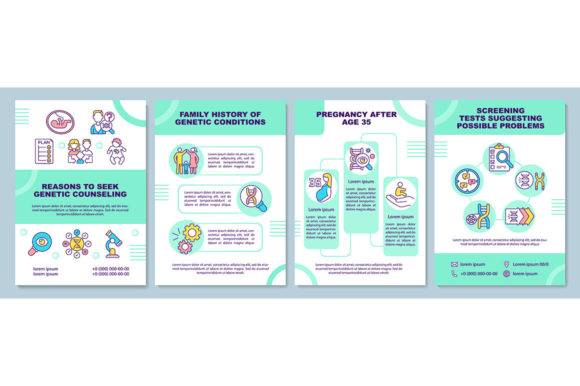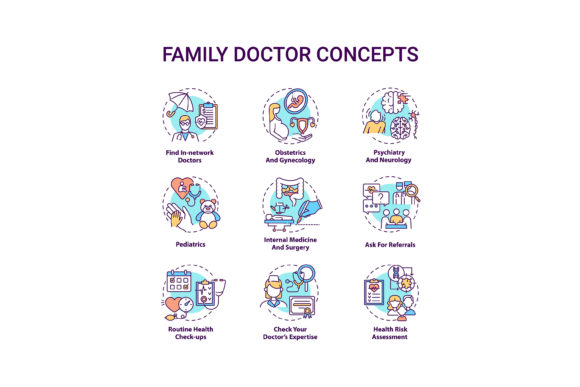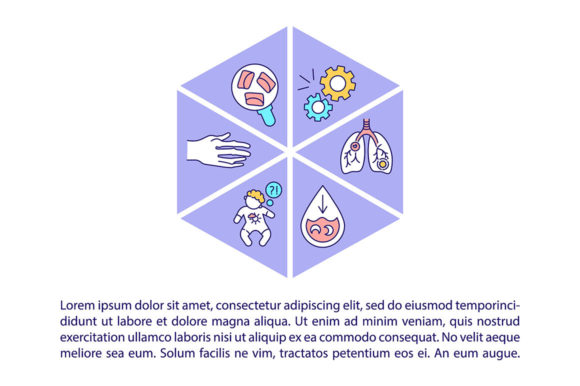
Genetic Diseases Concept Line Icons
As an embroidery designer with years of experience, I always start by evaluating a new design based on its visual impact, practicality, and how it translates to real-world projects. The Genetic Diseases Concept Line Icons offer a unique blend of medical symbolism and clean, linear illustration that can be useful in specific creative contexts. But before jumping into using it for client work or handmade products, it’s important to understand its strengths and limitations.
First Impressions: A Medical Theme with Minimalist Flair
The Genetic Diseases Concept Line Icons immediately convey a sense of professionalism and clarity. The line art style is precise, with clear shapes and simple text elements that make the designs easy to read. The white background and minimal details give it a modern, clean look that could fit well in medical-related branding or educational materials. However, this simplicity also means it may not stand out as strongly in more vibrant or decorative embroidery projects.
These icons are best suited for projects that require a subtle, informative touch—think baby items with health-related themes, personalized gifts for medical professionals, or educational embroidery pieces. They don’t scream “embroidery” like more ornate designs, but they do offer a refined aesthetic that can elevate a handmade product or custom apparel piece.
Real-World Embroidery Use Cases
When considering where to use the Genetic Diseases Concept Line Icons, the design works well on flat, smooth surfaces. For example, if you’re creating a custom embroidered tote bag or sweatshirt for a healthcare-themed event, these icons could serve as a quiet yet meaningful accent. They also have potential for baby items, such as onesies or blankets, where a soft, professional look is preferred over bold graphics.
For small business owners and Etsy sellers, the icons could be part of a printable mockup or digital design asset. They might also be used in a brochure or newsletter as a visual element, especially if the content relates to health or science. However, keep in mind that the design is vector-based, so it’s best suited for digital use rather than direct embroidery without proper file conversion.
Where to Be Cautious
There are certain scenarios where the Genetic Diseases Concept Line Icons might not perform as well. If you’re working with small hoop sizes, the design’s intricate details could become problematic. Thin or stretchy fabrics may cause the stitches to pucker or distort, especially around the text elements. Similarly, dark fabrics may not show the design clearly unless you adjust thread colors accordingly.
Curved surfaces like caps or hats can also be tricky. The linear nature of the icons may not follow the curve as smoothly as more rounded or stylized designs. And if you're planning to use the design on a layered garment or something with textured fabric, the stitch density and stabilizer choice will be crucial to maintaining the design’s integrity.
Impact on Visual Appeal and Customer Perception
When used appropriately, the Genetic Diseases Concept Line Icons can add a level of sophistication to a finished product. They suggest knowledge and care, which can enhance customer trust and make a handmade item feel more professional. This is especially valuable for crafters looking to build brand consistency or for small businesses aiming to create a polished image.
However, if the design is too subtle or poorly executed, it might not resonate with customers who are looking for more eye-catching embroidery. It’s important to consider your target audience and whether the concept aligns with their expectations. For instance, a holiday gift with these icons might not be as appealing as a more festive or whimsical design.
Practical Notes for Embroidery Designers
Before committing to a project, test the Genetic Diseases Concept Line Icons on scrap fabric. Check how the stitch density affects the overall look and ensure that the thread colors contrast well with the fabric. If you’re using this design for a commercial project, confirm the licensing terms to avoid any legal issues down the line.
Also, pay attention to the design’s scale. Tiny lettering or detailed corners may not hold up under frequent washing or heavy use. Consider using a proper stabilizer, especially when working with delicate or stretchy materials. And if you're planning to sell the finished product, make sure the design fits within your brand’s visual identity and appeals to your intended market.
Best Fit for Specific Projects
The Genetic Diseases Concept Line Icons are most effective when used in projects that emphasize clarity and professionalism. Think of them as a subtle addition to a custom apparel piece, a decorative element in a baby item, or a thoughtful detail in a holiday gift. They can also be incorporated into a digital product preview or printable mockup, making them a versatile tool for designers and crafters alike.
But if you’re looking for a bold, eye-catching design that stands out on its own, this may not be the right choice. Instead, it’s better suited for projects where subtlety and precision matter more than visual flair.
Final Thoughts
As someone who has worked with countless embroidery designs, I find the Genetic Diseases Concept Line Icons to be a solid, functional option for specific use cases. They offer a clean, professional look that can enhance a handmade product or custom apparel piece, especially when used thoughtfully. However, they aren’t a one-size-fits-all solution.
If you’re a designer, Etsy seller, or small business owner looking for a subtle, informative design that adds value to your products, this could be worth exploring. Just remember to test it thoroughly, consider your audience, and ensure it aligns with your brand’s vision. With the right approach, the Genetic Diseases Concept Line Icons can be a valuable addition to your embroidery project toolkit.